The global hair oil market is projected to grow from USD 4.51 billion in 2024 to USD 7.04 billion by 2033, expanding at a CAGR of 5.08% (Straits Research: Hair Oil Market Size and Forecast). For brand owners entering the private label hair oil space, that growth represents a significant commercial opportunity, but only if the product itself can compete on quality, consistency, and margin. The wholesale carrier oils you source will determine all three. Unlike complex cosmetic formulations that rely on emulsifiers, surfactants, and active concentrates, a hair oil is predominantly carrier oil. At HBNO, we supply the bulk carrier oils that form the foundation of private label hair oil products for manufacturers and brand owners across North America and beyond. This guide covers how to select the right oils, evaluate suppliers, and price your finished product for sustainable margins.
Why Carrier Oil Quality Defines Your Private Label Hair Oil Brand
The carrier oils you source are the single biggest factor in your hair oil's texture, absorption rate, shelf stability, and repeat purchase rate.
In a typical hair oil formulation, carrier oils make up 90% or more of the finished product by volume. Essential oils and fragrance compounds contribute scent and ancillary benefits, but the base oil is what determines how the product feels on the hair, how quickly it absorbs into the scalp, and how long it remains stable on the shelf. A poorly sourced carrier oil with inconsistent fatty acid profiles will produce a product that varies from batch to batch, undermining buyer confidence and retail partnerships.
Fatty acid composition is the technical factor that matters most to formulators. Oils high in oleic acid, such as argan oil, penetrate the hair cortex and provide deep conditioning. Oils rich in linoleic acid, such as grapeseed oil, tend to sit on the hair surface, providing a lighter, non-greasy coating. Research published in the Journal of Cosmetic Science confirms that fatty acid chain composition directly affects the physiochemical properties of human hair, including combing force, gloss, and split-end reduction. Understanding this distinction allows brand owners to formulate products targeted at specific hair types and buyer segments.
GC/MS (gas chromatography-mass spectrometry) testing is the industry standard for verifying that a carrier oil's chemical composition matches its specification sheet. In our experience, adulteration is a persistent issue in the bulk oils market, particularly with high-value oils like argan and castor. A supplier that provides batch-specific GC/MS reports gives brand owners the documentation they need to verify purity before committing to a production run.
Which Wholesale Carrier Oils Work Best for Hair Oil Formulations
The most commercially successful private label hair oils use a base of two to three carrier oils selected for complementary absorption rates, fatty acid profiles, and oxidative stability.
Not every carrier oil is suited to hair care formulations. The selection must balance sensory properties (weight, finish, scent), stability (resistance to oxidation and rancidity), and cost per unit. Below are the carrier oils most commonly used in professional hair oil formulations and the B2B selection criteria that matter.
Argan Oil (Argania spinosa)
Argan oil is prized for its high vitamin E content and balanced oleic-to-linoleic acid ratio, making it suitable for both lightweight serums and richer treatment oils. At HBNO, we supply organic argan carrier oil in sizes ranging from 1 oz to 25 litres. Cold-pressed, virgin-grade argan oil retains its full nutrient profile but carries a higher cost per unit than refined grades. For private label brands positioning as premium, virgin argan is the standard.
Jojoba Oil (Simmondsia chinensis)
Jojoba is technically a liquid wax ester rather than a triglyceride oil, which gives it exceptional oxidative stability and a shelf life that exceeds most carrier oils. This makes it an ideal base for hair oil products that need a long shelf life without synthetic preservatives. We've worked with formulators who use golden jojoba oil as a primary base specifically because it reduces the risk of rancidity during storage and distribution.
Castor Oil (Ricinus communis)
Castor oil's high ricinoleic acid content (approximately 78%) gives it a distinctively thick, viscous texture that is commonly used in hair care and scalp-focused cosmetic formulations.. Our organic castor carrier oil is USDA Organic and EarthKosher certified, with documented ricinoleic acid content verified through GC/MS testing. Castor oil is rarely used as a standalone base due to its weight; it is typically blended at 10% to 30% with lighter oils like jojoba or fractionated coconut.
Fractionated Coconut Oil (MCT)
Fractionated coconut oil is a lightweight, odourless carrier that remains liquid at all temperatures, unlike virgin coconut oil which solidifies below 24 degrees Celsius. This stability makes it a practical choice for hair oil products that need consistent viscosity across climates and shipping conditions. From our facility in Chico, we supply fractionated coconut oil in bulk containers from 1 gallon through to 20-litre drums.
Organic vs Conventional Grades
The choice between organic and conventional carrier oils has direct implications for labeling, pricing, and target market. Products labeled "organic" must use USDA-certified organic ingredients and meet traceability requirements back to the farm or cooperative level. Organic certification typically adds 15% to 40% to the raw material cost but enables premium retail pricing and access to natural-focused retail channels.
How to Evaluate and Select a Carrier Oil Supplier
A reliable wholesale carrier oil supplier should provide batch-specific documentation, hold relevant manufacturing certifications, and offer order flexibility that matches your production scale.
Supplier selection is the decision that most directly impacts your product quality, regulatory compliance, and unit economics. The following criteria separate credible wholesale carrier oil vendors from brokers reselling undocumented stock.
Certifications and Compliance
At a minimum, a carrier oil supplier for cosmetic manufacturing should hold GMP (Good Manufacturing Practice) certification. The FDA requires cosmetic facilities to follow GMP standards under the Modernization of Cosmetics Regulation Act (MoCRA), which mandates facility registration and adherence to manufacturing practices consistent with ISO 22716 (Source: FDA). Additional certifications to look for include USDA Organic (for organic product lines), Kosher certification (for products targeting health-conscious or specialty markets), and FDA GRAS designation (if your formulation includes food-grade or ingestible applications).
Documentation Per Batch
Every shipment of bulk carrier oils should come with a Certificate of Analysis (CoA) confirming the oil's chemical composition, purity, and compliance with specification. A Safety Data Sheet (SDS) should accompany each order for workplace safety and regulatory filing. Our clients receive both documents with every shipment, regardless of order size, because batch-level documentation is non-negotiable for brands that need to demonstrate traceability to retailers and regulatory bodies.
Minimum Order Quantities and Scalability
Many wholesale hair oil vendors impose high MOQs that force new brands to over-commit capital before proving product-market fit. Look for suppliers that offer flexible ordering, allowing you to start with smaller quantities for initial production runs and sample testing, then scale to drum or pallet volumes as demand grows. At HBNO, we operate with no minimum order quantity, which allows brand owners to test formulations with production-grade oils before committing to bulk volumes.
Facility Transparency
A credible supplier should be willing to share details about their production facility, including its location, size, and quality control infrastructure. Our production team operates from a GMP-certified facility exceeding 100,000 square feet in Chico, California, with in-house GC/MS testing equipment and quality control staff. Facility transparency is a reliable indicator that a supplier can deliver consistent quality at scale.
Pricing Your Private Label Hair Oil for Profitable Margins
Profitable private label hair oil pricing starts with understanding your carrier oil cost per unit, which typically accounts for 30% to 50% of your total cost of goods sold.
The hair oil category offers strong margins for brands that manage their raw material costs effectively and position their products to match buyer expectations. Industry data from IMARC Group values the global hair oil market at USD 4.7 billion in 2025, with natural and herbal formulations commanding the fastest-growing premium segments.
Cost Structure Breakdown
A typical private label hair oil cost structure includes four components: raw materials (carrier oils, essential oils, fragrance), packaging (bottles, droppers or pumps, labels), manufacturing (filling, capping, labeling, quality checks), and fulfilment (shipping, warehousing). Carrier oils represent the largest single cost line. Brands sourcing bulk carrier oils at wholesale pricing can reduce their per-unit raw material cost by 30% to 60% compared to purchasing in retail or small wholesale quantities.
Bulk Purchasing Tiers
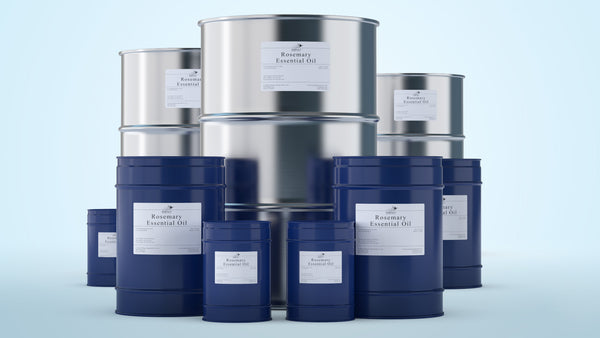
Most wholesale suppliers offer tiered pricing based on volume. Purchasing a 25-litre container of argan oil, for example, delivers a substantially lower cost per litre than buying the same oil in 1-litre bottles. For brands producing 500 or more units per production run, negotiating drum-level pricing with a direct supplier like HBNO can materially improve gross margins. We've seen brand owners reduce their raw material cost per unit by over 40% simply by moving from litre-based purchasing to bulk container volumes.
Premium vs Mass Market Positioning
The carrier oils you select directly determine your pricing ceiling. A hair oil formulated with organic argan and golden jojoba oil can credibly retail at three to four times the price of a product based on mineral oil or generic blends. The key is ensuring your supplier provides the documentation, including organic certificates, GC/MS reports, and CoA, that supports the premium positioning on your label and marketing materials.
Why HBNO Is a Preferred Carrier Oil Partner for Hair Oil Brands
HBNO supplies bulk carrier oils with full analytical documentation, no minimum order quantity, and private label production capacity designed for brands at every stage of growth.
IL Health & Beauty Natural Oils Co., Inc. (HBNO) operates as both a bulk raw material supplier and a private label manufacturer, which means brand owners can source their carrier oils and have their finished hair oil products formulated, filled, labeled, and shipped from a single facility. This eliminates the coordination overhead of managing separate raw material and contract manufacturing relationships.
Our carrier oil range includes argan, jojoba (golden, refined, and organic variants), castor (conventional and organic), fractionated coconut, black seed, evening primrose, and dozens of additional oils suited to hair care, skin care, and wellness formulations. Every product ships with a Certificate of Analysis and Safety Data Sheet.
HBNO holds GMP certification for our Chico, California facility, and we offer USDA Organic and Kosher-certified products across our carrier oil catalogue. Our in-house quality control team conducts GC/MS testing on all incoming raw materials and finished products, ensuring batch-to-batch consistency that private label brands depend on for repeat production runs. We ship globally across North America, Europe, Asia, and Oceania.
Frequently Asked Questions
What certifications should a wholesale carrier oil supplier hold for cosmetic manufacturing?
A credible supplier should hold GMP certification at minimum, with USDA Organic certification for organic product lines and Kosher certification where applicable. Under MoCRA, FDA now requires cosmetic facility registration and adherence to manufacturing practices. Look for suppliers who can also provide ISO 22716 compliance documentation.
How do GC/MS reports help verify carrier oil quality for hair care formulations?
GC/MS testing identifies the chemical compounds present in a carrier oil and their concentrations. This allows formulators to confirm that the oil meets its specification, for example verifying that castor oil contains the expected percentage of ricinoleic acid, and to detect adulteration with cheaper substitute oils.
What is the minimum order quantity for bulk carrier oils from HBNO?
HBNO operates with no minimum order quantity. Brand owners can order as little as a single unit for formulation testing or sample production, then scale to gallon, drum, or pallet volumes as their production needs grow.
Can HBNO produce custom hair oil formulations under a private label?
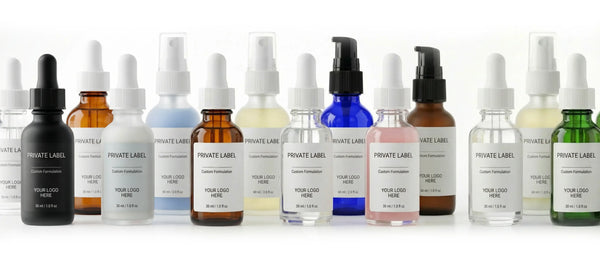
Yes. HBNO offers private label and contract manufacturing services from our GMP-certified facility in Chico, California. This includes custom formulation development, filling, labeling, and packaging. Brand owners can source raw carrier oils and have finished products manufactured under one roof.
Which carrier oils have the longest shelf life for hair oil products?
Jojoba oil has the longest natural shelf life among common carrier oils due to its wax ester composition, which resists oxidation. Fractionated coconut oil is also highly stable. Oils with higher polyunsaturated fatty acid content, such as grapeseed and hemp seed, oxidise more quickly and may require antioxidant additives to extend shelf life.
How should bulk carrier oils be stored to maintain quality?
Bulk carrier oils should be stored in a cool, dry environment between 15 and 25 degrees Celsius, away from direct sunlight and heat sources. Containers should be sealed tightly to minimise air exposure. Proper storage conditions can extend the usable shelf life of most carrier oils by 6 to 12 months beyond the standard recommendation.
What regulatory standards apply to private label hair oil products in the United States?
Private label hair oils sold in the US are regulated as cosmetics under the Federal Food, Drug, and Cosmetic Act. Under MoCRA, manufacturers must register their facilities with the FDA, list their products, and follow GMP standards. Ingredient labeling must comply with FDA cosmetic labeling regulations, listing ingredients in descending order of predominance (Source: FDA).
Making the Right Sourcing Decision for Your Hair Oil Brand
The wholesale carrier oils you choose will shape your product's performance, your brand's reputation, and your unit economics for every production run. Prioritise suppliers who provide batch-level documentation, hold relevant manufacturing certifications, and offer the order flexibility to match your current scale. For brand owners building a private label hair oil line, working with a supplier that also offers private label manufacturing eliminates the complexity of coordinating multiple vendors.
To request samples, bulk pricing, or a private label consultation, contact the HBNO team directly.
Published by the HBNO Bulk editorial team. HBNO (IL Health & Beauty Natural Oils Co., Inc.) is a manufacturer and bulk supplier of essential oils and carrier oils based in Chico, California.