Industry estimates suggest that up to 80% of commercial essential oils are adulterated in some way, whether through dilution with carrier oils, blending with cheaper botanical substitutes, or outright synthetic reconstruction. For procurement managers and formulators sourcing bulk essential oils, this is not a minor quality concern; it is a supply chain risk that can compromise finished products, trigger regulatory action, and damage brand credibility. Knowing how to vet essential oil suppliers before signing a purchase order is one of the most valuable skills a buyer can develop.
No Batch-Specific GC/MS Reports or Certificates of Analysis
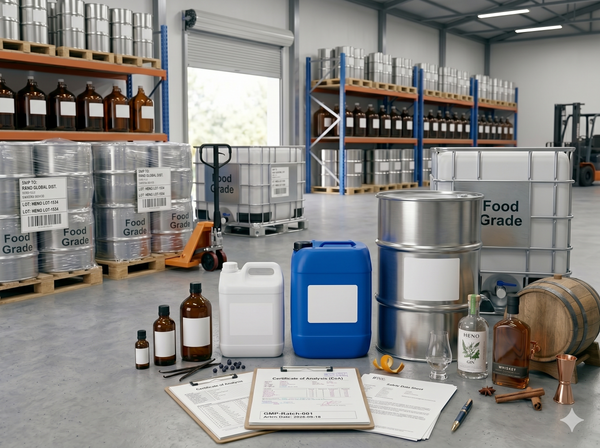
The single most telling red flag is a supplier that cannot provide batch-specific GC/MS (Gas Chromatography-Mass Spectrometry) testing results. GC/MS is the industry gold standard for verifying the chemical composition and purity of an essential oil. A proper Certificate of Analysis (CoA) should accompany every shipment and include a full chromatogram, constituent breakdown, physical properties such as density and refractive index, and the name of the accredited testing laboratory.
Suppliers who offer only generic or outdated reports, or who respond to documentation requests with vague assurances, are signalling a lack of quality infrastructure. If the data is not batch-specific, it tells you nothing about the oil you are actually purchasing.
Uniform Pricing Across the Entire Essential Oil Suppliers' Catalogue
Raw material costs for essential oils vary enormously depending on botanical yield, origin, and extraction complexity. Rose otto, neroli, and sandalwood cost orders of magnitude more per kilogram than sweet orange or eucalyptus. When a supplier prices all oils within the same narrow band, it is a strong indicator of dilution or synthetic substitution.
Experienced buyers benchmark pricing against published market indices and request cost breakdowns on high-value oils. If a quote seems too good to be true for a rare natural essential oil, it almost certainly is.
Vague Labelling and Missing Botanical Documentation
Professional-grade essential oil suppliers document every product with the botanical (Latin) name, country of origin, extraction method, plant part used, and lot number. These details are not optional extras; they are baseline requirements for compliance with IFRA, REACH, and food safety regulations.
Red flags include labels that list only a common name without the botanical species, documentation that omits the country of origin, or the use of "fragrance oil" terminology where "essential oil" is claimed. Without traceability from farm to barrel, buyers have no way to verify what they are putting into formulations.
Marketing Claims Without Regulatory Backing
Terms like "therapeutic grade" and "clinical grade" are not recognised by any government agency or international standards body. They are marketing inventions designed to imply superiority without meeting any defined criteria. Legitimate certifications for essential oil suppliers include ISO 9001, GMP, USDA Organic, Kosher, and FAIR FOR LIFE, each of which requires independent auditing.
When evaluating a supplier, ask for copies of their actual certifications rather than accepting website claims. A credible organic essential oil supplier will have documentation readily available and verifiable through the issuing body.
What a Reliable Bulk Essential Oil Supplier Looks Like
The best essential oil suppliers distinguish themselves not through marketing language but through operational transparency. Key indicators of a trustworthy partner include:
-
In-house or third-party GC/MS testing on every batch
-
CoA and SDS documentation shipped with every order
-
Verified certifications (ISO, GMP, FDA, Kosher, Organic)
-
A dedicated quality control team with technical expertise
-
Flexible order volumes with no minimum order quantity
-
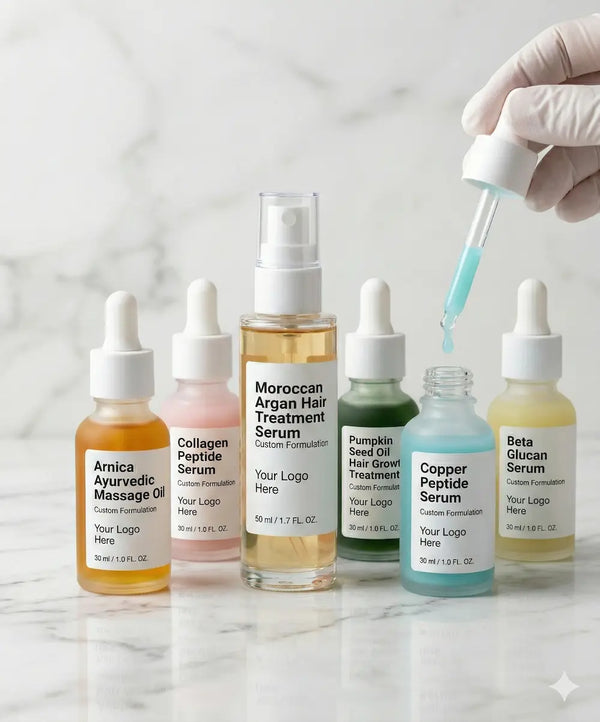
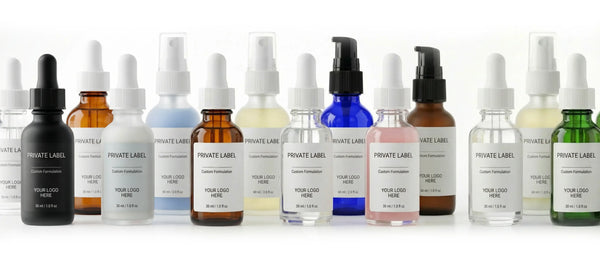
Private label and contract manufacturing capability backed by real production capacity
HBNO operates a 100,000 sq ft manufacturing facility in Chico, California, staffed by PhD-level chemists with world-class GC/MS equipment. Every batch is tested, and CoA and SDS documents are provided as standard. With certifications spanning ISO, GMP, FDA, Kosher, Organic, and FAIR FOR LIFE, and the ability to produce 250,000 private label units per day, HBNO is built to serve manufacturers, formulators, and brands that cannot afford quality compromises in their essential oil wholesale supply chain.
Protect Your Supply Chain
Vetting an essential oil supplier is not a one-time exercise. As your production scales and formulations evolve, the reliability of your raw material supply becomes increasingly critical. Use the red flags above as a standing checklist for every new supplier conversation, and prioritise partners who lead with documentation rather than marketing.
To request a sample, a bulk quote, or batch-specific documentation, contact the HBNO team directly.