For private label brands and contract manufacturers formulating topical products, wholesale mustard oil is a high-character carrier with a fatty acid profile and viscosity that few competing oils replicate. Mustard seed oil (Brassica juncea) has been a staple in South Asian topical traditions for centuries; the modern procurement task is to translate that ingredient story into spec-driven, regulatory-compliant finished goods. At HBNO, we work with skincare, hair care, and massage manufacturers who need consistent batches, full disclosure on erucic acid content, and documentation for REACH, IFRA, and cosmetic-grade compliance. This guide covers composition, applications, grade selection, and procurement specs.
Mustard Oil Composition and Why It Matters for Topical Formulation
Mustard oil is defined by its unusually high erucic acid content, which gives it a distinct viscosity and oxidative stability not found in standard carrier oils. A typical Brassica juncea cold-pressed mustard oil contains roughly 40–45% erucic acid, 8–15% oleic acid, 12–18% linoleic acid (omega-6), 5–10% alpha-linolenic acid (omega-3), with smaller fractions of palmitic and stearic acids (Source: ScienceDirect).
That fatty acid profile drives functional behavior. The high erucic acid fraction produces a heavier, slower-spreading carrier suited to hair oils and massage. Allyl isothiocyanate from intact glucosinolates contributes the characteristic pungency, while natural tocopherols extend shelf life. For US-market launches, formulators should note the FDA's standing position that expressed mustard oil is permitted for external use only, with required labeling on the finished product (Source: FDA). EU formulators should reference EU erucic acid limits for any food-adjacent application.

Application Categories: Skincare, Hair Care, and Massage
Each category leverages mustard oil's viscosity, fatty acid spectrum, and aromatic profile differently, and grade selection should follow the intended end-use.
-
Skincare carriers — used in body oils, balms, and emollient blends where its heavier viscosity provides a richer skin feel. Often blended with lighter carriers like jojoba or sweet almond to tune skin feel
-
Hair and scalp oils — central to traditional South Asian hair oil formulations; high erucic acid contributes to film-forming, while linoleic and linolenic acid fractions offer conditioning fatty acid profile
-
Massage blends — heavier viscosity supports prolonged glide; commonly blended with sesame or sunflower for rich massage oil blends ; refined grades preferred when pungency must be minimized
-
Soap and surfactant systems — saponification value around 170–180 mg KOH/g; contributes hardness and longer-lasting bars when used as a portion of the fat blend
At HBNO, our full product list supports buyers spanning all four categories, with the option of cold-pressed unrefined, refined, or USDA Organic grades.
Procurement Specifications and Grade Selection for Wholesale Mustard Oil
A defensible procurement spec for wholesale mustard oil should cover extraction method, erucic acid range, peroxide value, free fatty acid percentage, and microbiological status. The decisions buyers face most often:
-
Cold-pressed vs refined — cold-pressed retains pungency, color, and full tocopherol content; refined offers a milder profile, lighter color, and longer shelf life
-
High-erucic vs low-erucic cultivars — high-erucic is the traditional cosmetic standard; low-erucic (canola-type) is used when food-adjacent applications are involved
-
Conventional vs USDA Organic — organic certification carries a premium of roughly 15–25% and is increasingly required by clean-beauty private label programs
CoA parameters worth verifying on every batch include moisture and volatiles (<0.2%), free fatty acid as oleic (<2.0% for cold-pressed, <0.1% for refined), peroxide value (<10 meq/kg), and a GC fatty acid profile confirming erucic acid range. We supply USDA Organic and conventional cold-pressed grades, all GC/MS-tested in our in-house lab.

Sourcing Bulk Mustard Oil from HBNO
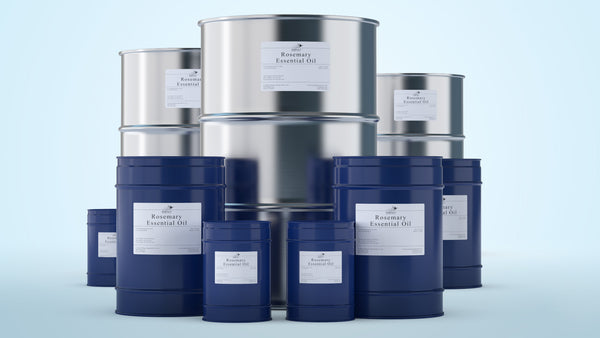
HBNO is a US-based manufacturer and bulk supplier with a 100,000 square foot facility in Chico, California and the documentation capacity B2B buyers need. We hold ISO, GMP, FDA, Kosher, USDA Organic, and FAIR FOR LIFE certifications, with PhD-led QC and GC/MS testing on every lot. CoA and SDS documents accompany each shipment to support REACH, IFRA, and GRAS dossiers.
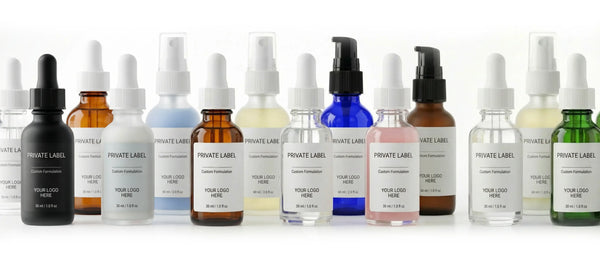
HBNO supports buyers with no minimum order quantity, global drop-shipping, and a private label program with capacity for 250,000 units per day. Long-term supply contracts are available for recurring buyers. Our formulations collection complements the carrier oil portfolio for full topical ingredient sourcing.
Frequently Asked Questions
What grade of mustard oil should I source for a skincare line?
Cold-pressed unrefined mustard oil is the standard for natural and clean-beauty positioning. Refined grades suit formulators who need a milder color and aroma. USDA Organic certification is typical for premium private label brands.
How does erucic acid content affect cosmetic mustard oil selection?
High-erucic cultivars deliver the traditional viscosity and film-forming behavior that defines mustard oil. Low-erucic (canola-type) lots are usually reserved for food-adjacent applications and behave more like generic vegetable oils in topical formulations.
Can mustard oil be sold in the US for skincare and massage?
Yes, as a topical product. Expressed mustard oil is permitted in the US for external use only, and finished products must carry that labeling. Confirm current FDA and state-level cosmetic labeling requirements with regulatory counsel before launch.
What is the shelf life of cold-pressed wholesale mustard oil?
Cold-pressed mustard oil typically holds 12–18 months in sealed, light-protected containers below 25°C. Refined grades extend that window. Peroxide value is the standard indicator of oxidative status across batches.
Which carrier oils blend well with mustard oil for hair and massage products?
Sesame, sunflower, coconut, and sweet almond oils are common blending partners. Lighter carriers reduce viscosity and soften the aromatic profile while preserving the structural and conditioning fatty acid contribution that mustard oil provides.
Published by the HBNO Bulk editorial team. HBNO (IL Health & Beauty Natural Oils Co., Inc.) is a manufacturer and bulk supplier of essential oils and carrier oils based in Chico, California.
Wholesale mustard oil rewards buyers who specify cleanly, test rigorously, and align grade selection to topical end-use. With cold-pressed and refined grades, USDA Organic options, full CoA documentation, and global drop-shipping, HBNO supports skincare, hair care, and massage manufacturers from pilot through full production. To request specifications, samples, or a quote, contact the HBNO procurement team.