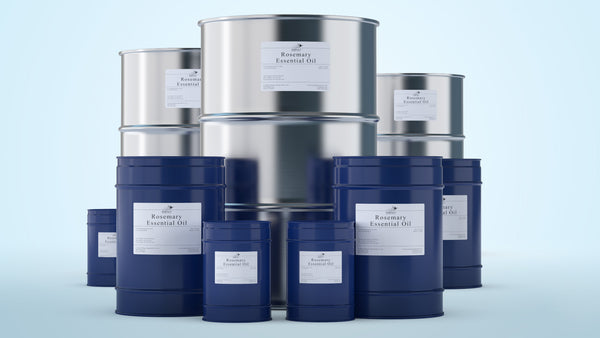
The global essential oils market is projected to grow from $15 billion in 2026 to $34.8 billion by 2034, driven largely by demand from personal care, food and beverage, and household product manufacturers (Fortune Business Insights). For procurement managers and product developers placing their first bulk essential oils order, that growth represents opportunity, but also risk. Unclear pricing structures, inconsistent quality documentation, and confusing grade terminology can turn a first purchase into a costly mistake. At HBNO, we work with first-time bulk buyers regularly, and the questions they ask tend to fall into three categories: what should this cost, how do I verify quality, and which grade do I actually need? This guide answers all three.
How Pricing Tiers Work When You Buy Bulk Essential Oils
Bulk essential oil pricing follows a tiered structure where per-unit cost decreases as order volume increases, but the price floor varies significantly by oil type, origin, and extraction method.
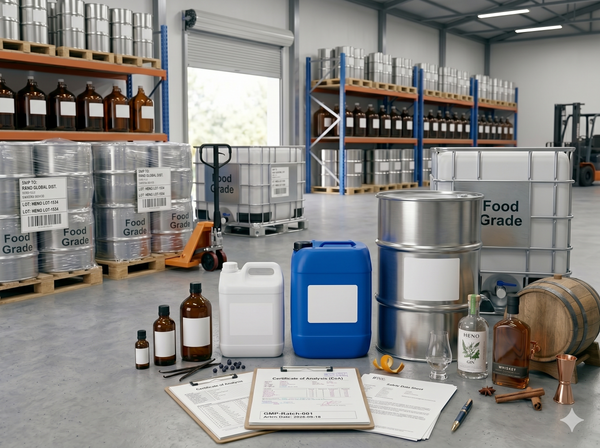
Most suppliers structure pricing across volume breaks. For example, a common essential oil like eucalyptus globulus may start at $8 for a 4 oz unit and drop to $499 for a 25 kg drum. The per-kilogram cost at the drum level can be a fraction of what a small bottle costs per unit of weight.
However, price alone tells an incomplete story. First-time buyers often focus on per-unit cost without accounting for landed cost, which includes hazmat shipping fees (essential oils are classified as flammable liquids under DOT regulations), customs duties for international shipments, and climate-controlled storage requirements. A low quoted price from an overseas supplier can quickly become uncompetitive once freight, duties, and compliance surcharges are factored in.
Oil type also drives dramatic price variation. High-yield crops like orange and eucalyptus produce oils at a fraction of the cost of low-yield botanicals like rose or melissa, where hundreds of kilograms of plant material produce a single kilogram of oil. First-time buyers sourcing across multiple oils should expect wide price ranges and request itemised quotes rather than assuming a single pricing model applies across the catalogue.
In our experience at HBNO, the most common first-time buyer mistake is comparing prices across suppliers without confirming whether the quoted price is for the same grade, origin, and purity level. A significantly cheaper quote almost always means a different product.
Quality Verification Every First-Time Buyer Should Demand
The single most important document a bulk essential oil buyer should request before placing any order is a batch-specific GC/MS report, not a generic product specification sheet.
Gas chromatography-mass spectrometry (GC/MS) analysis identifies the exact chemical composition of an essential oil, confirming the presence and concentration of key constituents. For peppermint oil, for example, a GC/MS report should show menthol content within established ranges, typically above 40% for a commercially viable product. A report that shows only a generic oil name without constituent percentages is a red flag.
Beyond GC/MS, buyers should request a Certificate of Analysis (CoA) and a Safety Data Sheet (SDS) for every batch. The CoA confirms the oil meets the supplier's stated specifications. The SDS provides handling, storage, and regulatory compliance data essential for workplace safety and downstream product labelling. At HBNO, we provide CoA and SDS documentation with every shipment, regardless of order size.
Additional verification steps worth implementing on a first order include organoleptic assessment, where you evaluate the oil's appearance, aroma, and viscosity against a trusted reference sample. Specific gravity and refractive index testing can also flag adulteration, though these require laboratory equipment. The most practical approach for a first-time buyer is to order a small sample, request the full documentation package, and compare the sample against the paperwork before committing to volume.
We have seen buyers accept generic specification sheets that were years old and not tied to the actual batch being shipped. Always confirm the report date matches the production batch.
Selecting the Right Grade of Bulk Essential Oils for Your Application
Essential oil grades are not standardised by a single regulatory body, so buyers must match supplier specifications to their specific end-use requirements rather than relying on marketing labels.
The term "therapeutic grade" is widely used in marketing but is not a designation recognised by the FDA, ISO, or any government regulatory agency. What matters for B2B procurement is whether the oil meets the technical requirements of the buyer's application.
For food and beverage applications, the oil must carry a GRAS (Generally Recognized As Safe) designation from the FDA or meet equivalent standards under EFSA regulations for European markets. These oils undergo additional screening for contaminants and must comply with food safety standards that general aromatherapy oils do not.
For cosmetic and personal care formulations, buyers need oils that comply with IFRA guidelines, which set maximum usage levels for specific compounds based on dermal safety data. A cosmetic-grade oil should come with documentation showing compliance with relevant IFRA standards for the intended product category.
For industrial applications such as cleaning products, candles, or diffuser blends, the primary concerns shift to consistency, flash point documentation, and cost efficiency. These applications may tolerate wider specification ranges, but still require batch-to-batch consistency to maintain product quality.
Our clients at HBNO span all four categories, and we supply oils with the appropriate documentation for each. The key is specifying your end use when requesting a quote so the supplier can match the right product and paperwork to your needs.
How to Evaluate Bulk Essential Oil Suppliers Before Your First Order
A reliable bulk essential oil supplier will provide batch-specific documentation, hold verifiable third-party certifications, and allow sample orders before requiring volume commitment.
Start with certifications. At minimum, a credible supplier should hold GMP (Good Manufacturing Practice) certification and be FDA-registered if operating in the United States. ISO certification indicates standardised quality management systems. USDA Organic certification matters if you are sourcing for organic-certified end products. Kosher certification is increasingly required by food and personal care manufacturers serving specific markets.
Next, evaluate the supplier's sample policy. Reputable essential oil suppliers encourage first-time buyers to sample before committing to volume. If a supplier pushes for large minimum orders without offering samples, that is a warning sign. At HBNO, we operate with no minimum order quantity specifically so that new buyers can test product quality at low risk before scaling.
Finally, assess documentation responsiveness. A supplier who cannot provide a CoA, SDS, and GC/MS report within a reasonable timeframe after a request is unlikely to maintain the documentation standards your supply chain requires. Ask for these documents during the sample stage, not after you have placed a production order.
Why HBNO Is Built for First-Time Bulk Buyers
HBNO operates as a vertically integrated manufacturer with no minimum order quantity, making it a practical entry point for buyers sourcing bulk essential oils for the first time.
Our 100,000 sq ft production facility in Chico, California, handles everything from raw material processing to private label packaging. We hold ISO, GMP, FDA, Kosher, Organic, and FAIR FOR LIFE certifications, and every product ships with a batch-specific CoA and SDS. GC/MS testing is conducted on all products, and reports are available on request.
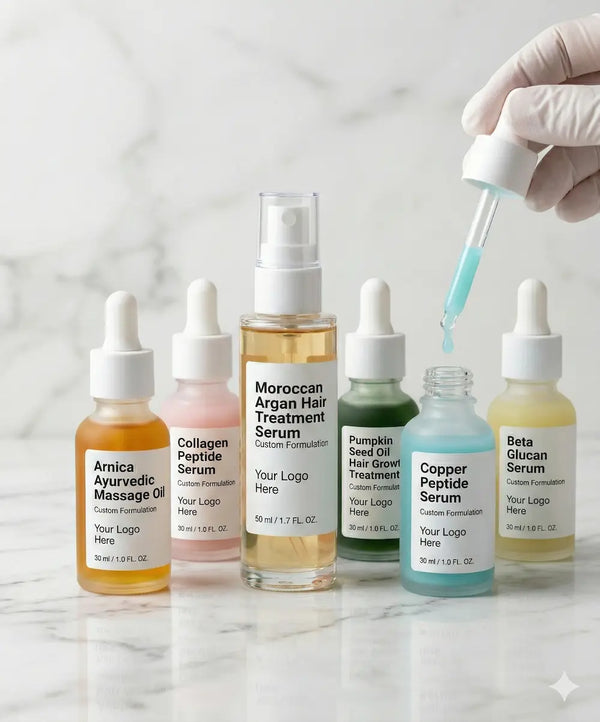
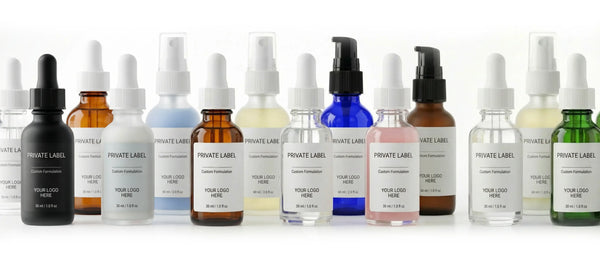
For buyers exploring private label or contract manufacturing, HBNO offers full-service production from formulation through finished packaging. We ship globally across North America, Europe, Asia, and Oceania, with compliance documentation tailored to destination market requirements, including REACH and IFRA standards.
The no-MOQ policy is deliberate. We have found that first-time buyers who can test at small volumes convert into long-term supply partners at production scale. That flexibility is built into how we operate.
Frequently Asked Questions
What documents should I request from a bulk essential oil supplier before placing an order?
Request a batch-specific GC/MS report, a Certificate of Analysis (CoA), and a Safety Data Sheet (SDS) for every oil you intend to purchase. These documents confirm purity, chemical composition, and safe handling requirements. A supplier who cannot provide all three for the specific batch being shipped should be approached with caution.
How does GC/MS testing verify essential oil purity and composition?
GC/MS separates the volatile compounds in an essential oil and identifies each component by molecular weight. The resulting report shows the percentage of each chemical constituent, allowing buyers to confirm the oil matches expected composition profiles. For example, true lavender oil should show linalool and linalyl acetate within established ranges.
What is the difference between food grade and cosmetic grade essential oils?
Food-grade essential oils carry a GRAS designation from the FDA and meet food safety standards for use in flavouring, beverages, or edible products. Cosmetic-grade oils comply with IFRA dermal safety guidelines and are formulated for topical application in personal care products. The testing and documentation requirements differ, so buyers should specify their intended end use when sourcing.
Can I order small quantities of bulk essential oils to test quality before committing?
Yes. Reputable suppliers offer sample quantities so buyers can evaluate quality before placing production-scale orders. At HBNO, there is no minimum order quantity, which means first-time buyers can purchase as little as a single unit to assess product quality, review documentation, and confirm the oil meets their specifications.
What certifications should a reliable essential oil supplier hold?
At a minimum, look for GMP certification, FDA registration, and ISO quality management certification. If sourcing organic products, USDA Organic certification is essential. Kosher certification is important for food and personal care applications serving kosher markets. FAIR FOR LIFE or similar fair trade certifications indicate ethical sourcing practices.
Published by the HBNO Bulk editorial team. HBNO (IL Health & Beauty Natural Oils Co., Inc.) is a manufacturer and bulk supplier of essential oils and carrier oils based in Chico, California.
To discuss bulk pricing, request samples, or explore private label options for your first essential oils order, contact the HBNO team directly.