The global bath and body care market is expanding steadily (Source: Grand View Research), and bath bombs remain one of the highest-margin SKUs for private-label personal care brands. For any bath bomb manufacturer scaling beyond artisan volumes, oil selection is not an aesthetic choice, it is a formulation engineering decision. The wrong carrier oil destabilizes the fizz reaction, shortens shelf life, and produces a bath ring that drives retail returns. Getting it right starts with understanding what each oil does to the mix before it hits production.
Why Oil Selection Determines Bath Bomb Performance at Scale
Carrier and essential oils in bath bomb formulations serve three distinct functions, skin feel delivery, fragrance dispersion, and matrix binding and each function has its own specification requirements.
At production scale, oils typically represent 3-8% of total batch weight. Small variations in oil type or load rate compound across thousands of units: a carrier oil with residual moisture content can trigger premature citric acid and sodium bicarbonate activation, producing weak fizz or crumbling product before it reaches the consumer. An oil with high polyunsaturated fatty acid content oxidizes quickly, shortening shelf life from twelve months to three, and carrying rancid off-notes into the fragrance profile.
Procurement teams sourcing oils for bath bomb production need to evaluate four parameters: fatty acid profile (determining skin feel and oxidative stability), peroxide value (measuring existing oxidation at the time of purchase), moisture and volatile content (critical for premature activation risk), and IFRA compliance of any fragrance or essential oil component for rinse-off body applications.

The Best Carrier Oils for Bath Bomb Manufacturing: Specs and Use Cases
These five carrier oil profiles cover the range of formulation needs across production-scale bath bomb lines from lightweight daily-use SKUs to premium moisturising formulations.
|
Carrier Oil |
Skin Feel |
Typical Load (% of batch) |
Oxidative Stability |
Production Notes |
|
Fractionated Coconut Oil |
Light, silky |
2-5% |
High (12-18 months) |
Stays liquid; consistent incorporation at scale |
|
Sweet Almond Oil |
Light, non-greasy |
2-5% |
Moderate (6-12 months) |
Requires nut allergen labelling in EU/UK markets |
|
Jojoba Oil |
Lightweight, waxy |
1-3% |
Very high (2+ years) |
Wax ester structure; minimal rancidity risk |
|
Avocado Oil |
Rich, emollient |
1-3% |
Moderate (6-12 months) |
Heavier skin feel; suited for dry-skin positioning |
|
Sunflower Oil (high-oleic) |
Light, clean |
2-5% |
High at high-oleic grade |
Cost-effective; lower stability at standard-oleic grade |
At HBNO, our carrier oils are supplied with batch-specific peroxide value and refractive index data, enabling production teams to verify oxidative status before the oil enters the manufacturing run.
Essential Oils and Fragrance Oils in Bath Bomb Production: Load Rates and Compliance
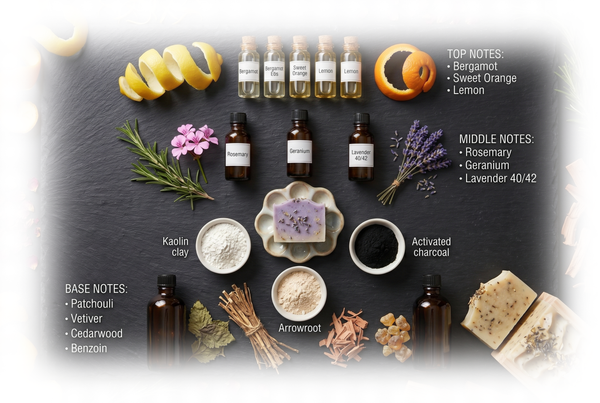
Essential and fragrance oil load rates in bath bombs are tightly bounded by both formulation stability and IFRA compliance requirements for rinse-off body applications.
Standard industry practice places essential oil and fragrance oil usage at 1-3% of total dry mix weight. Exceeding 3% without a matched solubiliser load increases the risk of fragrance bleed during cure and produces uneven scent distribution across units. A polysorbate 80 solubiliser at a 1:1 ratio with oil load disperses fragrance and carrier oils into bath water effectively, preventing the oil ring on the tub that is a common consumer complaint on lower-quality bath bombs.
For fragrance compliance, IFRA sets maximum usage levels for individual fragrance constituents across rinse-off body product categories. Brands supplying into the EU or UK markets must confirm that their fragrance supplier provides an IFRA conformance certificate that covers rinse-off body use, not just leave-on applications, the permitted concentrations differ between the two categories. Our essential oils and fragrance oils ship with IFRA conformance certificates covering bath and body applications on every order.
Formulation Stability: What Causes Oils to Fail in Bath Bomb Production
The most common oil-related production failures in bath bomb manufacturing are premature activation, accelerated rancidity, and fragrance bleed all preventable through correct oil specification.
Premature activation occurs when an oil with elevated moisture or water activity enters the dry mix and begins dissolving sodium bicarbonate, triggering early citric acid reaction. Oils that have been stored poorly or improperly refined carry elevated moisture levels that standard CoA data may not capture, requesting moisture and volatile matter content separately from your supplier prevents this failure mode.
Rancidity is the primary shelf-life limiter in bath bomb formulations. High-linoleic oils, standard-grade sunflower, evening primrose, rosehip, oxidize rapidly in the presence of air and citric acid. Substituting high-oleic grades or wax-ester oils like jojoba significantly extends stability. We recommend all wholesale buyers request GC/MS fatty acid profiles alongside standard CoA documentation when qualifying carrier oils for bath bomb production.

Why Production-Scale Brands Source Bath Bomb Oils Through HBNO
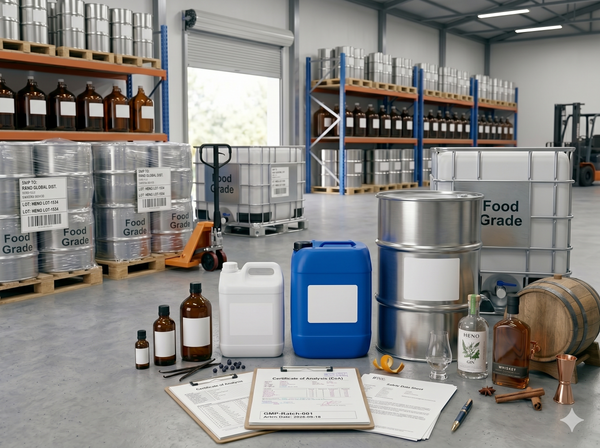
HBNO supplies carrier oils and essential oils for bath bomb manufacturing from a 100,000 sq ft GMP and ISO-certified facility in Chico, California, with full documentation on every batch.
Our in-house QC team tests every carrier oil batch for GC/MS fatty acid profile, peroxide value, refractive index, specific gravity, and moisture content. Every essential oil and fragrance oil shipment includes a CoA, SDS, GC/MS report, and IFRA conformance certificate covering rinse-off body applications. We carry no minimum order quantity, enabling bath bomb brands to qualify new oil grades or fragrance profiles before committing to production-scale volumes.
In our facility, we support private label bath and body production at 250,000 units per day, with long-term supply contracts for brands managing consistent seasonal SKU rotations. We supply brands across North America, Europe, Asia, and Oceania with global shipping options.
Frequently Asked Questions
What carrier oil is best for bath bomb manufacturing at scale?
Fractionated coconut oil and high-oleic sunflower oil are the most practical choices for production-scale bath bomb manufacturing. Both stay liquid at room temperature for consistent incorporation, offer good oxidative stability, and deliver a lightweight skin feel suited to mass-market SKUs. Jojoba is preferred for premium positioning due to its superior shelf stability.
What is the recommended essential oil load rate for bath bombs?
Industry standard is 1-3% of total dry mix weight. Loads above 3% require a matched polysorbate 80 solubiliser to prevent oil separation in bath water and fragrance bleed during the curing stage. Always confirm your fragrance or essential oil supplier provides an IFRA conformance certificate covering rinse-off body product categories.
How do I prevent carrier oils from causing premature activation in bath bomb production?
Request moisture and volatile matter content data on each batch from your supplier standard CoA data alone does not always capture this. Store oils in sealed, moisture-controlled environments and introduce them into the dry mix last, working quickly. Avoid refined oils with poor moisture controls in the supplier's manufacturing process.
Which carrier oils have the longest shelf life for bath bomb formulations?
Jojoba oil, fractionated coconut oil, and high-oleic sunflower oil offer the best oxidative stability for bath bomb shelf life targets of twelve months or longer. High-linoleic oils such as standard-grade sunflower, evening primrose, and rosehip oxidize rapidly in citric acid environments and are not recommended for standard bath bomb production runs.
Can HBNO supply both carrier oils and essential oils for a private-label bath bomb line?
Yes. HBNO supplies a full range of carrier oils and essential oils suitable for bath bomb manufacturing, each with batch-specific GC/MS documentation, peroxide value data, and IFRA conformance certificates. No minimum order quantity applies, and our private label team can support formulation development through to production-scale supply.
Published by the HBNO Bulk editorial team. HBNO (IL Health & Beauty Natural Oils Co., Inc.) is a manufacturer and bulk supplier of essential oils and carrier oils based in Chico, California.
For any bath bomb manufacturer building a production-ready oil supply chain, the starting point is documentation fatty acid profiles, peroxide values, IFRA conformance, and batch traceability. Contact the HBNO team to request carrier oil and essential oil sample packs with full qualification documentation.