Nail care manufacturers have a formulation problem that most carrier oil suppliers do not address: alcohol solubility. The majority of carrier oils, jojoba, argan, sweet almond, coconut are incompatible with the alcohol-solvent systems used in nail polish, nail treatment lacquers, and cuticle serums that require uniform dispersion in an anhydrous alcohol base. Castor oil (Ricinus communis seed oil) is the exception. Its 12-hydroxy ricinoleic acid content makes it the only common carrier oil that is fully miscible in ethanol, which is why it appears as a functional ingredient not a carrier in nail formulations that no other oil can enter.
For nail care brand manufacturers and private-label developers, the sourcing question is not whether to use castor oil; it is whether the bulk castor oil they source carries the ricinoleic acid content documentation and hexane-free processing verification that a defensible ingredient specification requires. At HBNO, every lot of castor carrier oil ships from our 100,000 sq ft facility in Chico, California with a GC/MS-verified CoA and SDS on every order.
Why Ricinoleic Acid Is Irreplaceable in Nail Care Formulations
Castor oil's unique formulation utility in nail care derives from two properties of its dominant fatty acid, 12-hydroxy-octadec-9-enoic acid (ricinoleic acid, ~85–90% of the fatty acid profile): alcohol miscibility and film-forming hygroscopy properties that no other natural carrier oil delivers at equivalent concentration.
Alcohol miscibility: Ricinoleic acid's C-12 hydroxyl group makes castor oil the only common carrier oil soluble in ethanol and IPA-based systems. This enables its use in nail polish formulations (where the solvent system is largely butyl acetate and ethyl acetate), cuticle oils applied via alcohol-based serum carriers, and nail treatment lacquers that require oil-soluble actives dispersed in a fast-dry base. Without alcohol solubility, a carrier oil cannot enter these formulation systems; it would separate immediately.
Hygroscopic film formation: The same hydroxyl group on ricinoleic acid makes castor oil hygroscopic, it attracts and retains moisture at the nail plate and cuticle surface. In leave-on cuticle treatments and nail conditioning serums, this creates a moisturising film that persists between applications, supporting hydration claims that thinner, more rapidly absorbed oils cannot sustain.
High viscosity as a formulation asset: Castor oil's natural viscosity (~1,000 cP at 25°C) exceeds other common carriers by an order of magnitude, which functions as a built-in thickener in nail and cuticle oil formulations without requiring synthetic polymer addition.
Research published in Naunyn-Schmiedeberg’s Archives of Pharmacology (Vieira et al., 2001) describes observed biological interactions of ricinoleic acid in experimental models, including modulation of inflammatory markers under controlled conditions.
In cosmetic formulation contexts, this research is often referenced when discussing the material’s fatty acid profile and its relevance to skin-conditioning applications. Within nail and cuticle care products, castor oil is primarily used for its emollient and film-forming properties associated with its high ricinoleic acid content.
The global nail care products market was valued at USD 23.6 billion in 2024 and is projected to exceed USD 38.9 billion by 2034, growing at a CAGR of approximately 5.2%, with nail treatment and care formulations expanding faster than colour cosmetics (Source: Grand View Research). Within this, the demand for natural, clean-ingredient nail care products is outpacing the broader category, which directly increases the relevance of well-documented, food-grade carrier oil actives for brands entering the segment.

Formulation Applications for Bulk Castor Oil in Nail Care Manufacturing
Bulk castor oil supports six primary nail care and cuticle care product types: cuticle oils, nail conditioning serums, nail care treatments, nail polish formulations, cuticle balms, and nail conditioning preparations each leveraging ricinoleic acid’s film-forming, alcohol-soluble, or hygroscopic properties at different inclusion rates.
Cuticle oil treatments: 20–50% castor oil in a light carrier blend (jojoba, argan, sweet almond). Castor's hygroscopic film-forming creates the emollient persistence that distinguishes a quality cuticle oil from a light polish. Typically applied with a dropper or brush-on applicator at the nail base.
Nail conditioning serums (alcohol-base): 5–15% castor oil in an ethanol or IPA-based serum carrier. This is the application enabled uniquely by ricinoleic acid's alcohol solubility a conditioning active in a fast-dry serum system. Other carrier oils cannot enter this formulation type.
Nail care formulations and nail polish formulation : 3–10% castor oil in a butyl acetate/ethyl acetate base alongside film-forming polymers (e.g., nitrocellulose, tosylamide resins). Castor oil is commonly used as a plasticising ingredient in nail lacquer systems, contributing flexibility and improved spreadability in the dried film.
Cuticle balms : 30–60% castor oil in a wax-butter base (beeswax, candelilla, shea). The high viscosity contributes structure and body to balm systems without the need for additional synthetic thickeners. USDA Organic grade may be selected for brands positioning under organic or clean-beauty certification.
Nail conditioning preparations : Blended systems designed for general nail and cuticle conditioning formats, where castor oil is incorporated based on desired viscosity, spreadability, and formulation structure requirements.
In our experience working with nail care brand developers, the documentation gap that creates compliance risk most often involves processing method whether the castor oil is cold-pressed or solvent-extracted. Solvent-extracted grades carry trace hexane, which is incompatible with clean-beauty positioning and may create regulatory complications for products claiming to be free of petrochemical residues. We supply cold-pressed only.
HBNO's Bulk Castor Oil Supply Credentials for Nail Care Brands
HBNO supplies cold-pressed conventional and USDA Organic bulk castor carrier oil from Ricinus communis seeds, GC/MS tested on every batch, with no minimum order quantity and CoA, SDS, and FAIR FOR LIFE documentation on every shipment for nail care manufacturers from development sample through production volume.
Key supply specifications for nail care brand buyers:
-
Bulk castor carrier oil (Ricinus communis seed oil, cold-pressed) ricinoleic acid 85–90% by GC fatty acid profile; hexane-free; Kosher certified; cosmetic grade; GC/MS tested on every batch; alcohol-soluble confirmed
-
Bulk organic castor carrier oil cold-pressed, USDA Organic and FAIR FOR LIFE certified; ricinoleic acid ≥85%; same GC/MS documentation package; appropriate for organic and clean-beauty nail care brand positioning
Both grades carry:
-
GC/MS-verified ricinoleic acid content and full fatty acid profile
-
Free fatty acid (FFA) and peroxide value documentation for formulation stability assessment
-
Heavy metal compliance for cosmetic grade
-
SDS issued to GHS/OSHA classification

Our PhD-led quality control team runs GC/MS on every production lot and issues a batch-specific CoA. For nail care accounts requiring viscosity data, refractive index, or specific gravity in addition to fatty acid profile all standard parameters for formulation qualification, these are available on the CoA on request.
Supply capacity:
-
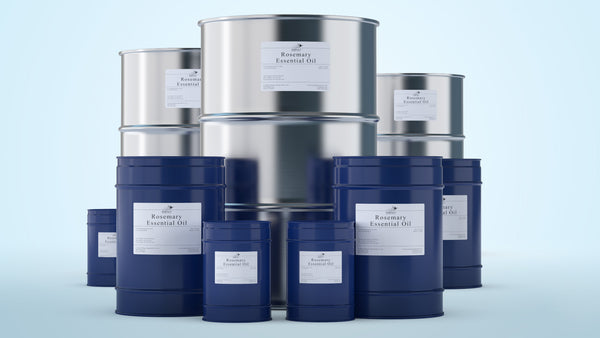
No MOQ from trial volumes through 25 kg containers and drum quantities
-
250,000 units/day private-label production capacity for finished nail care and cuticle care SKUs
-
Global shipping; drop-shipping available
-
Long-term supply contracts for volume and pricing stability
Explore our full carrier oils collection for castor oil and companion carriers for nail care and cuticle care formulations.
FAQ
What ricinoleic acid percentage should nail care manufacturers specify when sourcing bulk castor oil?
A minimum of 85% ricinoleic acid (12-hydroxy-octadec-9-enoic acid) by GC fatty acid profile is the accepted commercial specification for cosmetic-grade castor oil. High-quality cold-pressed grades run 87–92%. HBNO documents ricinoleic acid content on every batch CoA. For nail formulation applications where the alcohol-solubility function of ricinoleic acid is load-bearing, nail serums, lacquer plasticisers, ricinoleic acid content should be confirmed before incorporating the batch into a production run.
Why is hexane-free processing important for castor oil used in nail care formulations?
Hexane-extracted castor oil carries residual solvent traces that are incompatible with clean-beauty positioning and may create compliance complications for products entering European or retailer-specific clean-ingredient program standards. Cold-pressed grades eliminate this variable. HBNO's conventional and USDA Organic castor oils are both cold-pressed; processing method is documented in the SDS issued with every shipment.
Is HBNO's castor oil alcohol-soluble for use in nail serum and nail lacquer formulations?
Yes. Castor oil's alcohol solubility is a direct function of its ricinoleic acid content the 12-hydroxyl group enables miscibility in ethanol and IPA-based carriers at typical formulation inclusion rates. HBNO's cold-pressed castor oil with ≥85% ricinoleic acid is alcohol-soluble and has been used in nail serum and nail lacquer formulation systems. If your formulation development team requires a solubility compatibility test prior to bulk ordering, request a trial sample from HBNO's no-MOQ sample program.
What is the difference between HBNO's conventional and USDA Organic castor oil for nail care applications?
Both are cold-pressed with equivalent ricinoleic acid specifications (≥85%). The USDA Organic grade additionally carries USDA Organic certification and FAIR FOR LIFE certification, with full organic traceability documentation. For nail care brands positioning under USDA Organic, COSMOS Organic, or clean-beauty certification programs, the organic grade is the appropriate procurement choice. For brands where organic certification on the finished product is not a requirement, the conventional cold-pressed grade provides the same GC/MS documentation at a lower cost basis.
Can HBNO supply castor oil as part of a private-label finished nail care product?
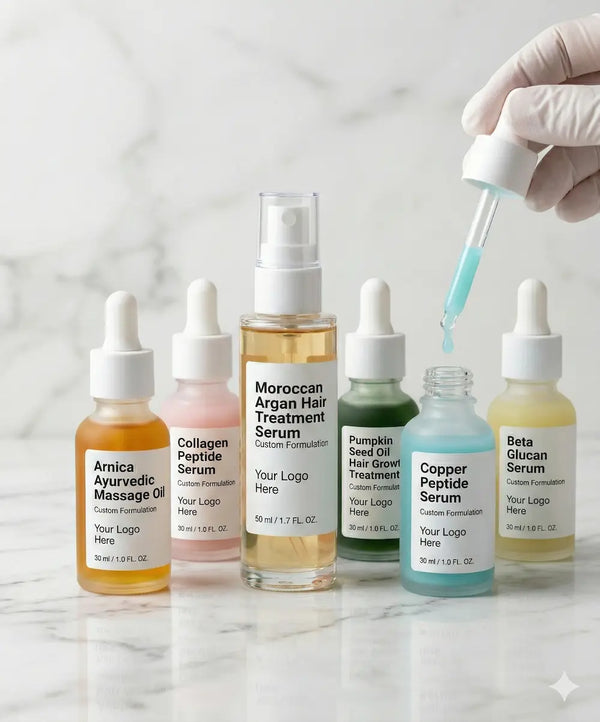
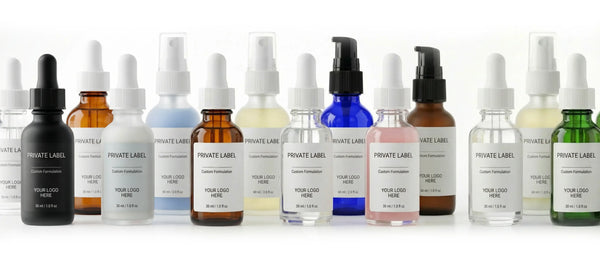
Yes. Our private label services cover ingredient sourcing, GC/MS testing, formulation development, filling, and branded packaging for nail care and cuticle care product lines. From cuticle oil to nail conditioning serums to anhydrous balm formats, our 250,000 units per day production capacity at our Chico facility supports nail care brand development from prototype through commercial launch.
Published by the HBNO Bulk editorial team. HBNO (IL Health & Beauty Natural Oils Co., Inc.) is a manufacturer and bulk supplier of essential oils and carrier oils based in Chico, California.