Procurement teams sourcing safflower oil for cosmetic, nutraceutical, or food applications hit a fork: high oleic or high linoleic. The two grades come from the same plant (Carthamus tinctorius) but behave so differently in formulation, oxidation, and shelf life that picking the wrong one can sink a finished product. At HBNO, wholesale customers ask this weekly, and the answer is rarely "either is fine." This guide covers specs, shelf-life math, and grade selection for buyers scaling production.
Fatty Acid Profile: The Difference That Drives Everything
The split between the two grades is driven entirely by fatty acid composition. Standard linoleic safflower oil is 71–75% linoleic acid (C18:2) and 16–20% oleic acid (C18:1). High oleic flips the ratio, with oleic at 70–80% (super-high-oleic past 90%). Saturated fats stay below 10% in both, and linolenic acid is virtually absent.
Why it matters: monounsaturated oleic acid has only one weak point where oxygen can attack; polyunsaturated linoleic has multiple. That single fact drives every downstream procurement decision, from packaging to shelf-life claims.
Oxidative Stability and Shelf Life
High oleic safflower oil outlasts linoleic by roughly 4x in standard oxidative stability testing. Published Rancimat data at 110°C shows linoleic safflower oil at ~3.2 hours of induction time, conventional high oleic at ~13 hours, and super-high-oleic varieties past 50 hours (Source: ScienceDirect).
Translating that to shelf-life claims:
-
Linoleic safflower carrier oil: 12 months unopened, refrigerated storage strongly recommended after opening
-
High oleic safflower oil: 18–24 months unopened at 65–75°F in dry, odor-free storage
-
Super-high-oleic: 24+ months with stability comparable to high oleic sunflower
In our facility we issue peroxide value, FFA, and iodine value on each CoA so formulators can run their own shelf-life modeling rather than relying on generic claims. We supply both grades under GC/MS verification.

Which Grade Your Formulation Needs
Match the grade to oxidative exposure of the finished pack, not to ingredient cost. A simple decision matrix:
|
Application |
Recommended Grade |
Why |
|
Lotions, creams, body butters |
High oleic |
Long shelf life, low rancidity risk in ambient retail |
|
Facial serums, oil blends |
High oleic |
Clear bottles expose oil to light; oxidation kills the product |
|
Soap (cold/hot process) |
Either |
Saponification consumes the fatty acids |
|
Lip balms and sticks |
High oleic |
Re-exposure to air and warm pockets |
|
Frying oil, foodservice |
High oleic |
Smoke point >400°F; thermal stability |
|
Omega-6 nutraceuticals |
Linoleic |
Linoleic is the active compound |
|
Salad dressings, cold foods |
Linoleic |
Oxidation matters less in chilled storage |
For private-label brands building a 24-month-shelf SKU, high oleic is the right call. For supplement makers selling encapsulated omega-6 in nitrogen-flushed packaging, linoleic is correct.
Wholesale Specifications to Require
A safflower oil PO without typed fatty acid limits is not a real spec. At HBNO our QC team validates every lot against:
-
Fatty acid profile by GC: oleic ≥ 70% (high oleic) or linoleic ≥ 70% (linoleic grade)
-
Free Fatty Acid (FFA): ≤ 0.1% as oleic
-
Peroxide value: ≤ 2.0 meq/kg
-
Iodine value: 80–100 (high oleic), 135–150 (linoleic)
-
Refractive index, specific gravity, and saponification value within published ranges
-
Heavy metals and pesticide residue panels per cosmetic and food-grade thresholds
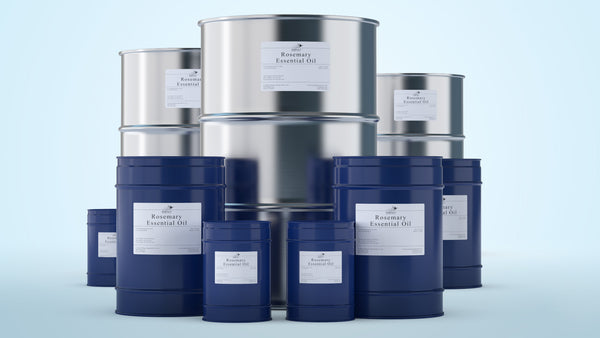
We supply both conventional and bulk organic safflower oil under USDA Organic certification. Packaging runs from 5-gallon pails through 55-gallon drums and IBC totes.

Why HBNO for Wholesale Safflower Oil
HBNO operates a 100,000 sq ft facility in Chico, California, with ISO, GMP, FDA, Kosher, USDA Organic, and FAIR FOR LIFE certifications. Buyers scaling bulk safflower oil programs work with us because we offer:
-
GC/MS verification on every batch with CoA and SDS
-
Both high oleic and high linoleic grades in conventional and organic
-
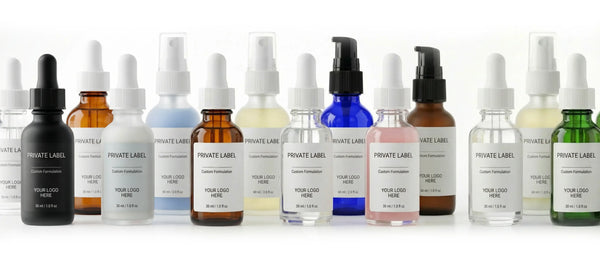
250,000 units/day private label capacity
-
No minimum order quantity; global shipping and drop-ship available
-
REACH, IFRA, and GRAS compliance where applicable
-
Long-term supply contracts and recurring wholesale programs
-
PhD staff and in-house QC laboratory
The global safflower oil market is forecast to grow steadily through 2030, with personal care and high-stability frying among the fastest segments (Source: Grand View Research).
Frequently Asked Questions
What is the main difference between high oleic and linoleic safflower oil?
High oleic safflower oil contains 70–80% oleic acid (monounsaturated), while linoleic safflower oil contains 71–75% linoleic acid (polyunsaturated omega-6). The two grades come from different cultivars of Carthamus tinctorius and behave differently in shelf life, oxidative stability, and high-heat applications.
How long does high oleic safflower oil last in bulk storage?
Conventional high oleic safflower oil maintains best quality for 18–24 months unopened when stored at 65–75°F in dry, odor-free conditions. Super-high-oleic varieties extend that to 24+ months. Linoleic grades are typically rated for 12 months and benefit from refrigerated post-opening storage.
Which safflower oil grade is best for cosmetic skincare formulations?
For most leave-on skincare (lotions, serums, body butters, lip products), high oleic safflower oil is preferred because its oxidative stability supports a 24-month finished-product shelf life. Linoleic is used selectively when omega-6 content is part of the marketing claim.
Can a contract manufacturer substitute one grade for the other in an existing formula?
No. Substituting linoleic for high oleic, or vice versa, changes the oxidative stability of the finished product and may invalidate stability testing. The two grades require separate stability studies and label claims.
What documentation should ship with a wholesale safflower oil order?
At minimum, a CoA with fatty acid profile by GC, peroxide value, FFA, iodine value, and microbial limits, plus a current SDS. Organic shipments should include the USDA Organic certificate.
Published by the HBNO Bulk editorial team. HBNO (IL Health & Beauty Natural Oils Co., Inc.) is a manufacturer and bulk supplier of essential oils and carrier oils based in Chico, California.
Choosing between high oleic and linoleic safflower oil is a procurement decision with real shelf-life consequences. Lock the grade against the oxidative exposure of your finished pack and source from a manufacturer that issues GC/MS verification with every shipment. Request a quote or sample from the HBNO team to spec the right safflower grade for your formulation.