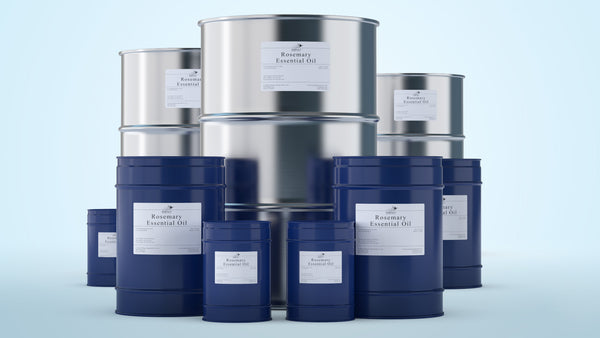
The hardest part of growing an essential oil brand is rarely the first product. It is the move from three SKUs to a full thirty-product portfolio without losing margin, batch consistency, or compliance discipline. Brands that scale cleanly treat wholesale sourcing as a strategic lever, not a purchasing afterthought. At HBNO, we work with indie and scaling brands at every stage of this expansion. This piece maps the three stages of product line growth, the compliance load that scales with it, and how disciplined wholesale essential oils procurement makes the difference between a stalled brand and a scaling one.
The Math of Scaling: Why Sourcing Is the SKU Ceiling
Most essential oil brands hit a ceiling not because demand stalls, but because their sourcing model can't absorb the operational load of more SKUs. The global essential oils market reached approximately USD 13.66 billion in 2025 and is projected to grow at roughly 11% CAGR through 2034 (Source: Grand View Research), creating genuine room for brands to expand beyond a hero SKU into adjacent formats.
The math is straightforward. Each new SKU adds an ingredient line, a CoA, an SDS, an allergen statement, and label artwork. At three SKUs, a brand manages with two suppliers and a spreadsheet. At thirty SKUs sourced from ten suppliers, the brand is running a logistics operation. Consolidating through fewer audited vendors removes the linear scaling penalty and is the lever most growing brands underuse.
A Three-Stage Wholesale Roadmap From 3 to 30 SKUs
Brands that scale cleanly tend to follow a recognizable three-stage progression, each with its own sourcing discipline and procurement priority.
-
Stage 1: 3–7 SKUs (Hero portfolio) — single hero essential oil at the center, formats around it (oil, roll-on, diffuser blend), one or two GC/MS-verified vendors. Discipline: restraint.
-
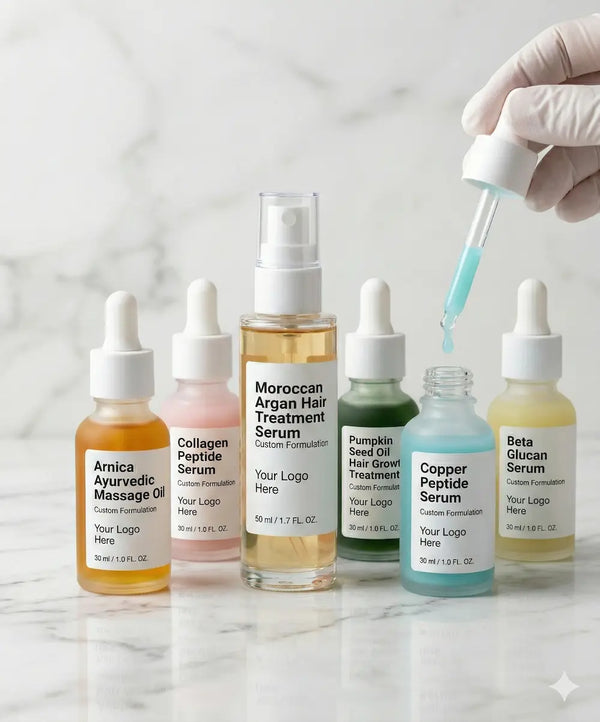
Stage 2: 8–15 SKUs (Layered categories) — adjacent categories enter (skincare carriers, room sprays, cosmetic scalp serums), pairing essential oils with carrier oils under a single PO. Discipline shifts to consolidation.
-
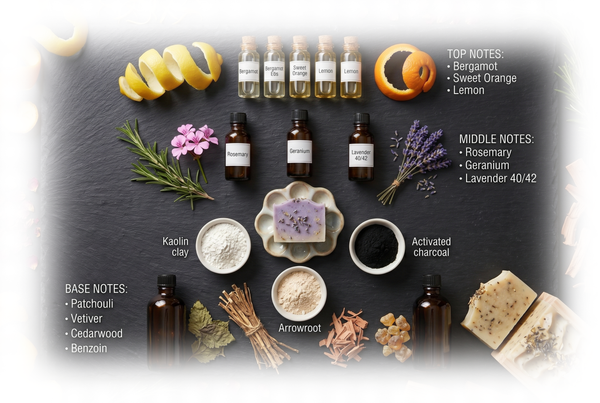
Stage 3: 16–30 SKUs (Full portfolio) — fragrance blends, USDA Organic SKUs, pet grooming variants , contract-manufactured private label expansions. Discipline is supplier audit: each vendor must hold certifications and capacity to support the portfolio without quality drift.
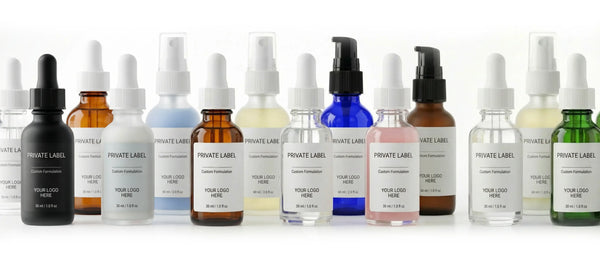
At HBNO, our private label program is structured to support brands through all three stages, with no minimum order quantity for Stage 1 pilots and 250,000-units-per-day capacity once a brand reaches Stage 3.

Compliance and Documentation Load at 30 SKUs
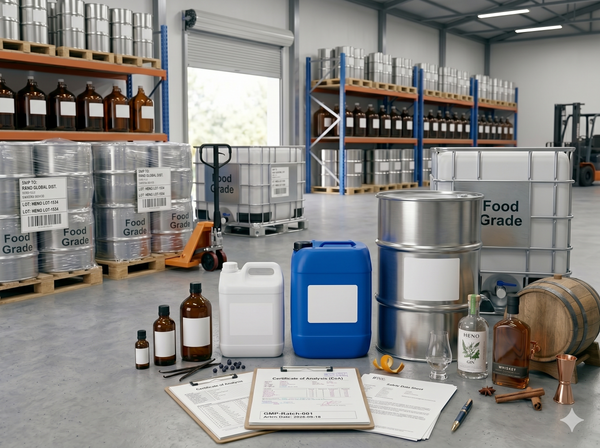
The documentation overhead at 30 SKUs is the part most brands underestimate, and it is where consolidated wholesale sourcing pays the largest dividend. Each SKU shipped to a retailer typically needs a CoA, SDS, GC/MS chromatogram, INCI list, IFRA category statement, allergen disclosure, and (for EU markets) a product information file per regulation 1223/2009. Across thirty SKUs and updated annually, this is hundreds of documents to manage.
A consolidated supplier reduces that burden in two ways. Lot reconciliation flows through a single QC pipeline. And when retailers request an audit, the brand points to one ingredient supplier with documented GMP, ISO, USDA Organic, and FAIR FOR LIFE certifications rather than chasing ten vendors for matching paperwork (Source: IFRA).
Why Growing Essential Oil Brands Consolidate Through HBNO
HBNO is a US-based manufacturer and bulk supplier built to absorb the operational load that grows with every additional SKU. Our 100,000 square foot facility in Chico, California holds ISO, GMP, FDA, Kosher, USDA Organic, and FAIR FOR LIFE certifications, with PhD-led QC and GC/MS testing on every lot. CoA, SDS, and chromatograms ship with each order to support REACH, IFRA, GRAS, and EU cosmetic dossiers.
We supply essential oils, USDA Organic variants, carrier oils, fragrances, butters, and ancillary functional ingredients under one PO with global consolidated drop-shipping. Our long-term supply contracts let recurring buyers lock in pricing and lead times across a growing SKU range, covering the adjacent inputs needed to expand without onboarding new vendors.
Frequently Asked Questions
How many SKUs should an essential oil brand launch with?
Most successful indie brands start with three to seven SKUs centered on a single hero ingredient. Launching with too many SKUs spreads inventory risk and dilutes brand identity before product-market fit is confirmed.
When should an essential oil brand consolidate suppliers?
Consolidation pays off as a brand approaches Stage 2 (8–15 SKUs). Beyond that point, the documentation, audit, and lead-time benefits of fewer audited suppliers outweigh the perceived risk of single-vendor dependency, especially when the vendor offers multiple grades and adjacent categories.
What certifications matter most for a scaling essential oil brand?
USDA Organic, ISO, GMP, Kosher, and FAIR FOR LIFE are the typical baseline for retail-ready brands. EU markets often require additional dossier-level documentation, and natural-channel retailers increasingly demand FAIR FOR LIFE or equivalent ethical-sourcing certification.
Can one supplier handle a brand from 3 to 30 SKUs?
Yes, when the supplier offers essential oils, carrier oils, fragrances, butters, and private label production at relevant scale. The advantage of staying with one supplier through the growth curve is documented continuity for retailers and a single audit-ready partner.
How does private label support faster SKU expansion?
Private label removes formulation, copacker, and fulfillment overhead from the brand's plate, letting the team focus on positioning and distribution. With no-MOQ programs for pilots and high-capacity production for scaling, private label compresses what would otherwise be a 12-month expansion into one or two quarters.
Published by the HBNO Bulk editorial team. HBNO (IL Health & Beauty Natural Oils Co., Inc.) is a manufacturer and bulk supplier of essential oils and carrier oils based in Chico, California.
Scaling an essential oil brand from 3 to 30 SKUs is a wholesale sourcing problem before it is a marketing problem. With consolidated supply across essential oils, carrier oils, and private label production, GC/MS-verified CoAs, and global drop-shipping, HBNO supports brands at every stage of the growth curve. To request specifications, samples, or a quote, contact the HBNO procurement team.